Brand Spotlight
The Big E: Why Vintage Levi's Denim Commands a Premium
A capital E on a red tab is worth a second look. Here is how a single stitched letter dates a jacket to before 1971 — and why collectors pay for it.

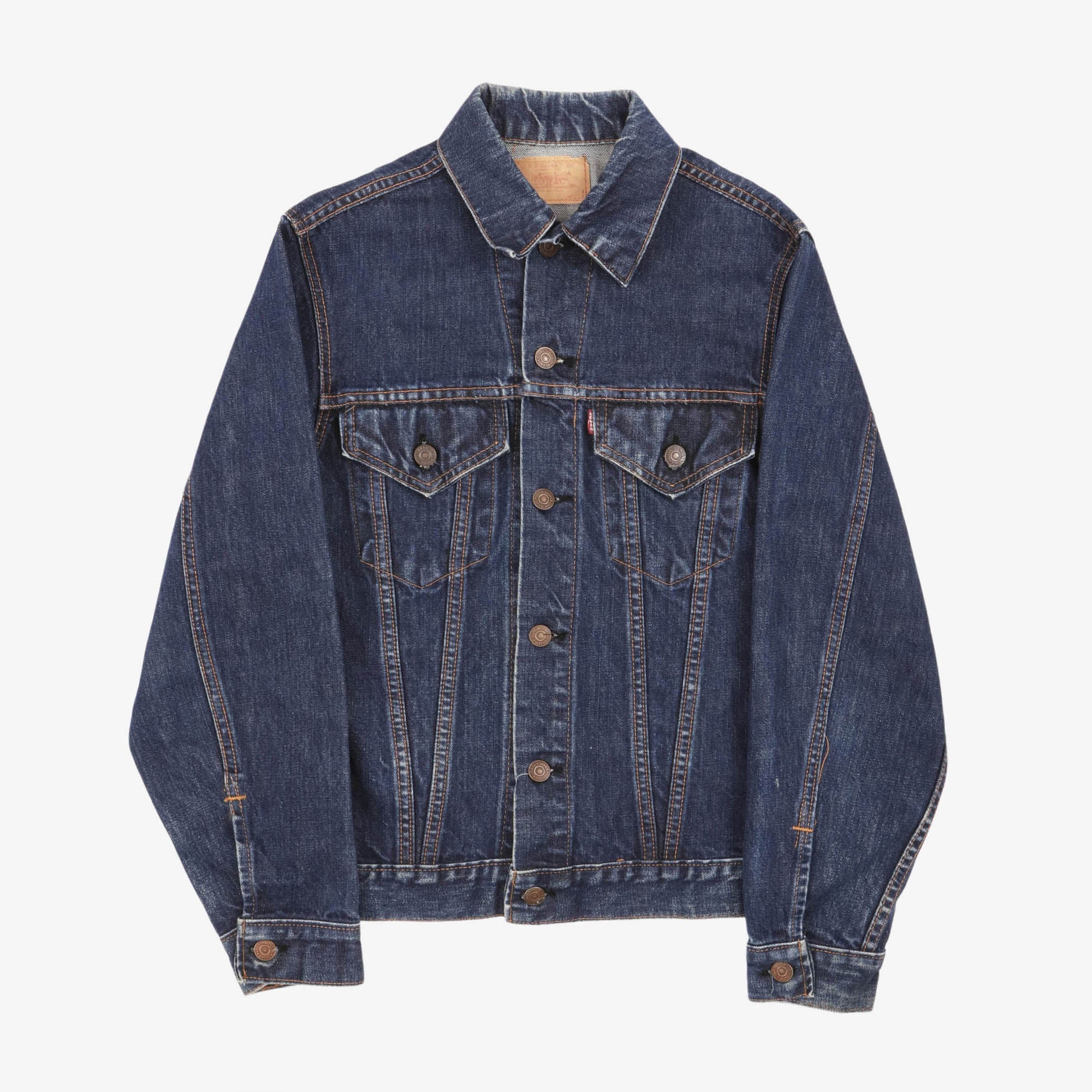
There is a shorthand collectors use to read a pair of Levi's from across a market stall: look at the red tab. If the brand name is spelled with a capital E — LEVI'S — the garment left the factory before 1971. Everything printed after that year uses a lowercase e. It is the single fastest way to separate genuine vintage from later reproductions, and it is the reason a plain denim jacket can carry a three-figure premium.
Reading the Type III
The jacket most people picture — the trucker — is properly the Type III, introduced in 1962. Its predecessors, the Type I and Type II, are pleated and boxier; the Type III introduced the pointed-yoke seams and slim silhouette that define the shape we still wear. A Big E Type III made in the USA sits at the intersection of the two things collectors prize most: a landmark design and a datable production window.
The piece in question
What to check before you buy
- Red tab: a capital E dates the garment to before 1971.
- Selvedge: run a finger inside the front placket — a clean, self-bound seam points to older US milling.
- Hardware: donut-back buttons and copper rivets age to a warm patina that is difficult to fake.
- Fades: honest wear at the elbows, cuffs and seat is a feature, not a fault — it is what separates a lived-in original from deadstock.
Denim is one of the few garments that is worth more the more it has been worn. The fades are a record of a life, and no factory can reproduce them.
Condition-grading vintage denim is as much about honesty as measurement. Every piece on REWORN is inspected by the seller and graded before it goes live, so the fades you see are the fades you get. If a Big E jacket is what you are after, the search starts in one place.
Shop this story
Every piece featured, priced live. One of each — once it sells, it is gone.


