Buying Guide
The Workwear Canon: Reading a Carhartt Duck Coverall
Cotton duck, triple-stitched seams and a cut built for labour. What makes American workwear collectible, and how to judge a coverall before you commit.

Workwear was never meant to be fashion, which is exactly why it endures. Garments engineered to survive a working day — cotton duck heavy enough to stand up on its own, seams stitched three times over, pockets sized for tools — age into some of the most characterful clothing you can own. A Carhartt duck coverall is the canonical example.
What 'duck' actually means
Duck is a tightly woven, plain-weave cotton canvas, and its weight is the whole point: dense enough to resist abrasion and wind, it softens with wear without losing structure. On an Arctic-lined coverall that shell is quilted to a blanket lining, which is why these pieces feel closer to outerwear than a boilersuit. The trade-off is weight — try one on before you buy, because the fit should allow layers beneath.
Two takes on the coverall
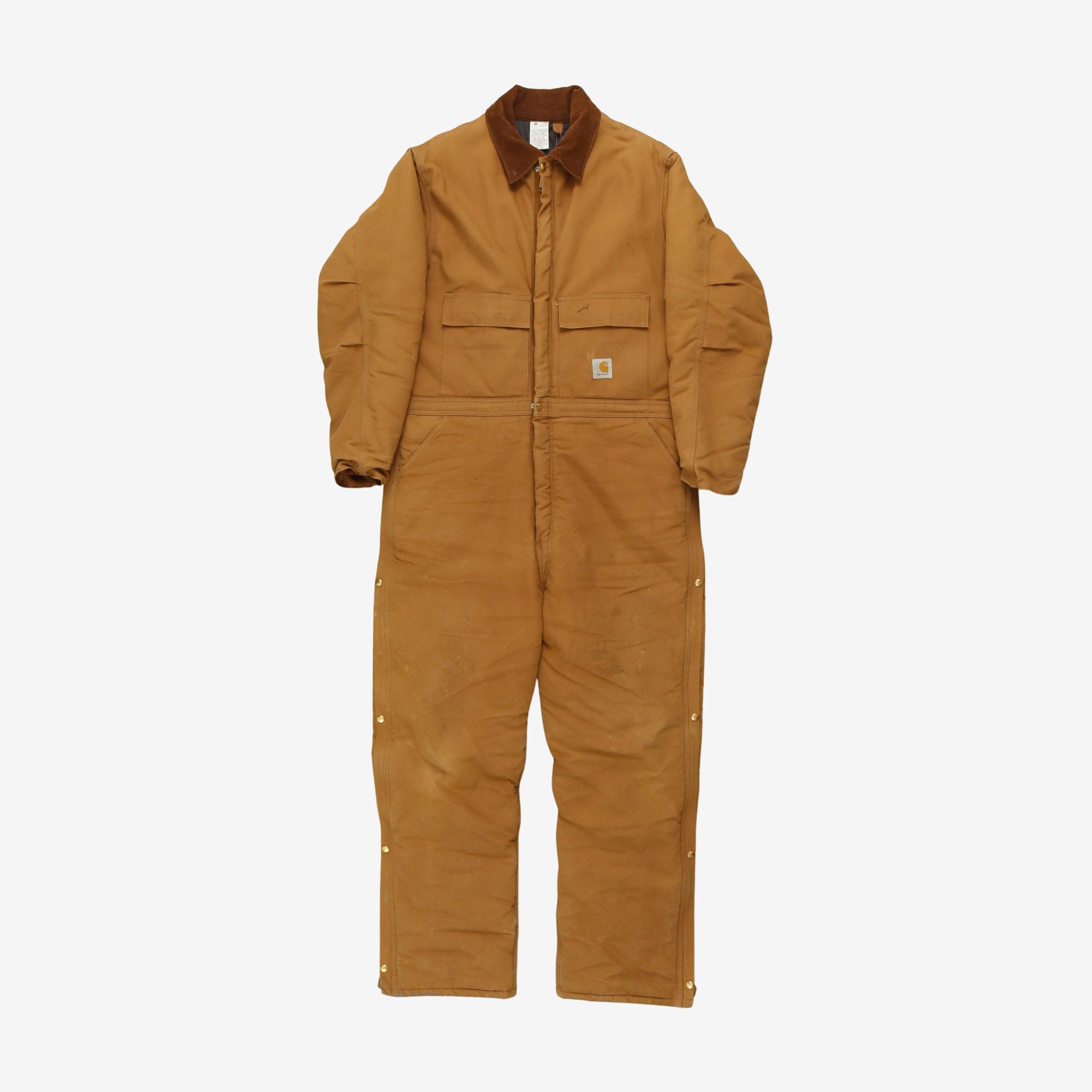
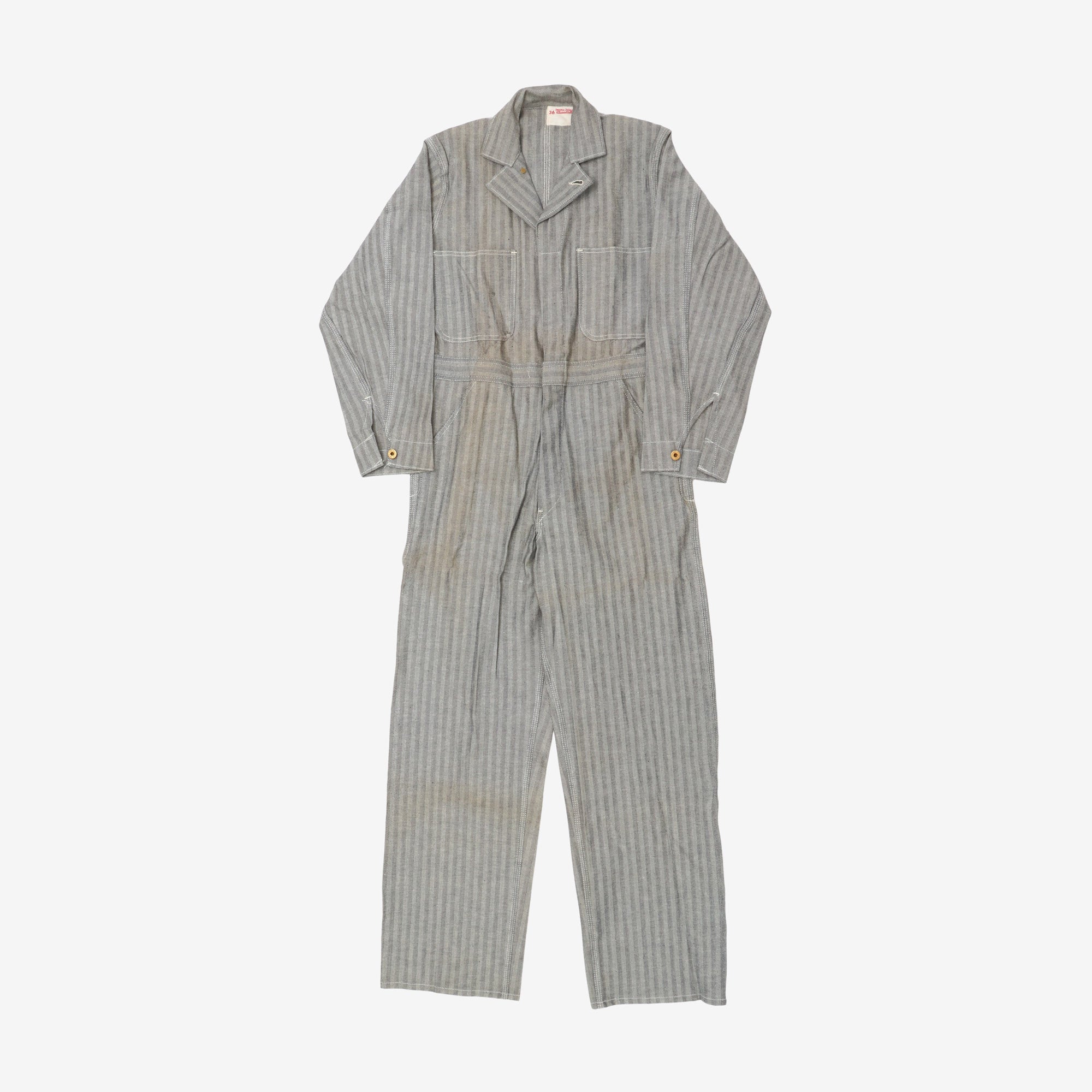
A buyer's checklist
- Knees and cuffs: the first places to wear through. Fraying is fine and characterful; open holes are a repair job to price in.
- Zips and hardware: original brass zips should run cleanly. A replaced zip is not a dealbreaker but should be reflected in the price.
- Stitching: look for intact triple-stitched seams at the crotch and shoulders — the stress points that decide whether a garment has another decade in it.
- Fit: coveralls were cut over work clothes. Size for the layers you will actually wear underneath.
The best workwear was designed with no thought for how it looked, and that is precisely the source of its charm.
Every workwear piece on REWORN is condition-graded by the seller, with wear points photographed rather than hidden — so you can judge a coverall the way you would in person.
Shop this story
Every piece featured, priced live. One of each — once it sells, it is gone.


