Care Guide
Caring for Vintage Wool: Knitwear, Blazers and the Long Game
Wool outlives most of us when it is looked after. A practical guide to washing, drying, de-pilling and storing the pieces you want to keep for decades.

The reason mid-century wool still turns up in wearable condition is simple: the fibre is forgiving, naturally antibacterial, and resists odour far better than cotton or synthetics. The reason so much of it is ruined is equally simple — it gets washed like everything else. Wool asks for a different rhythm, and once you learn it the pieces last effectively forever.
Wash less than you think
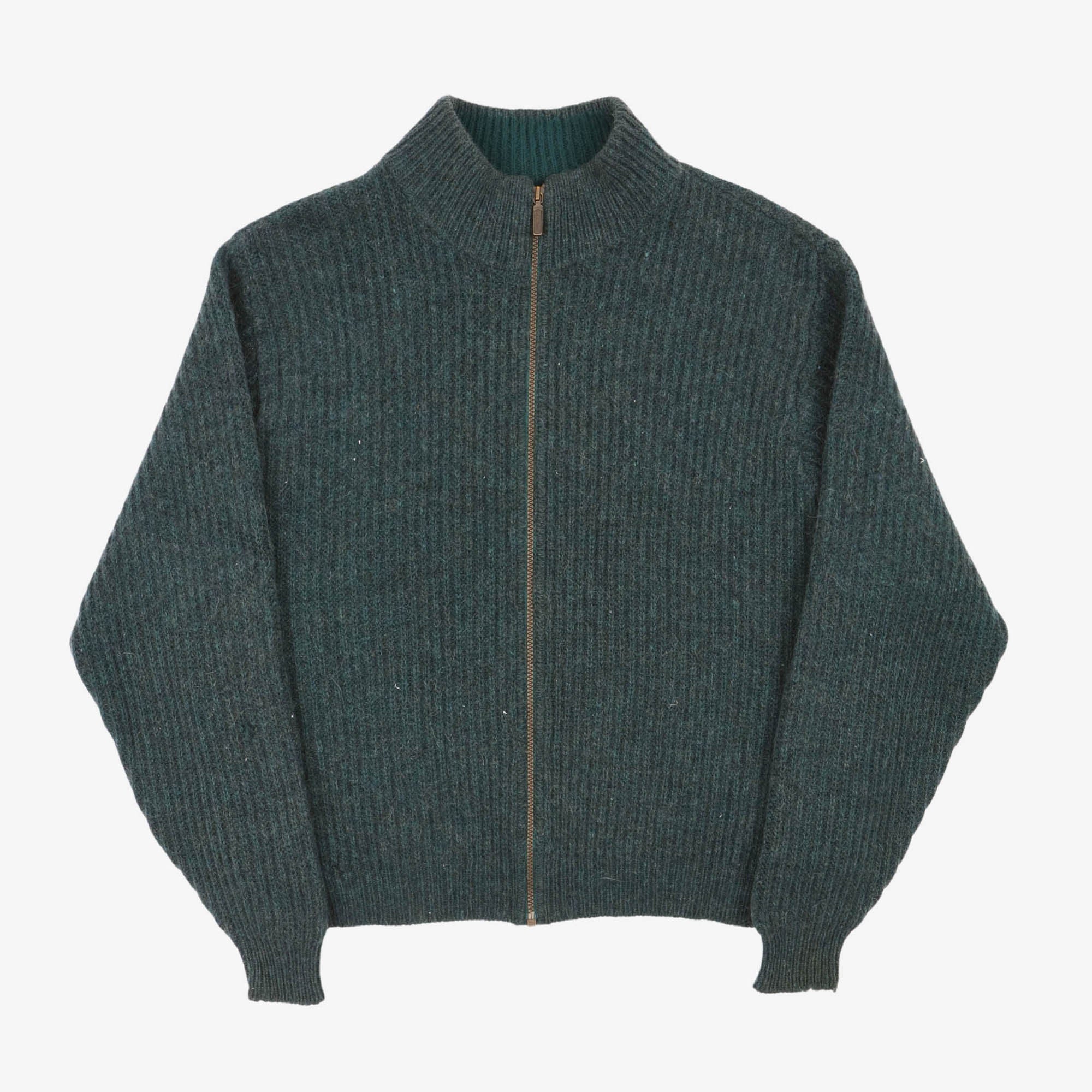
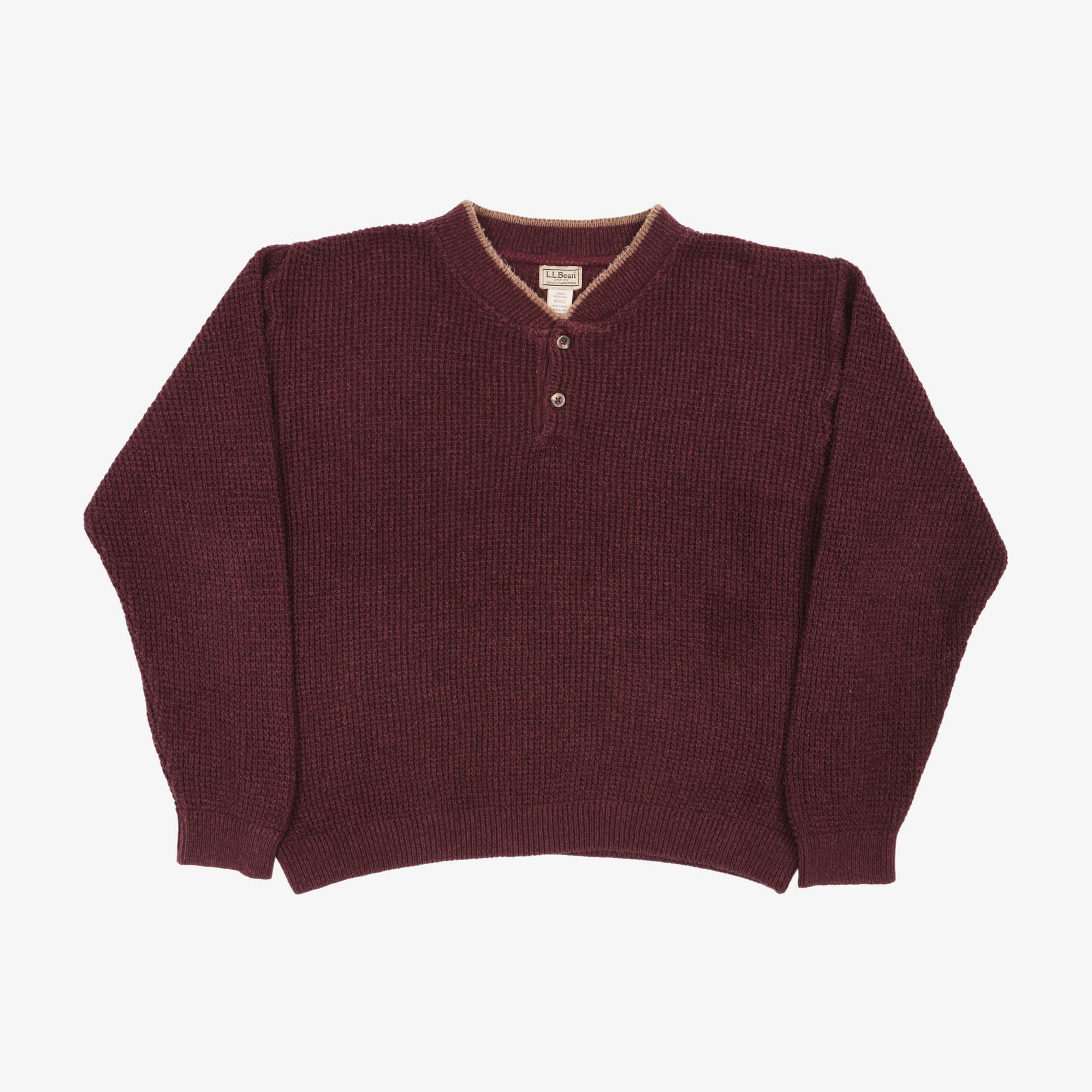
Wool wants airing, not washing. After wearing a sweater or blazer, hang it somewhere with moving air for a day and most surface odour simply leaves. When a wash is genuinely needed, hand-wash in cool water with a wool-specific detergent, press the water out against the side of the basin — never wring — and dry flat on a towel, reshaping while damp.
Knitwear worth the ritual
Prices and availability update live.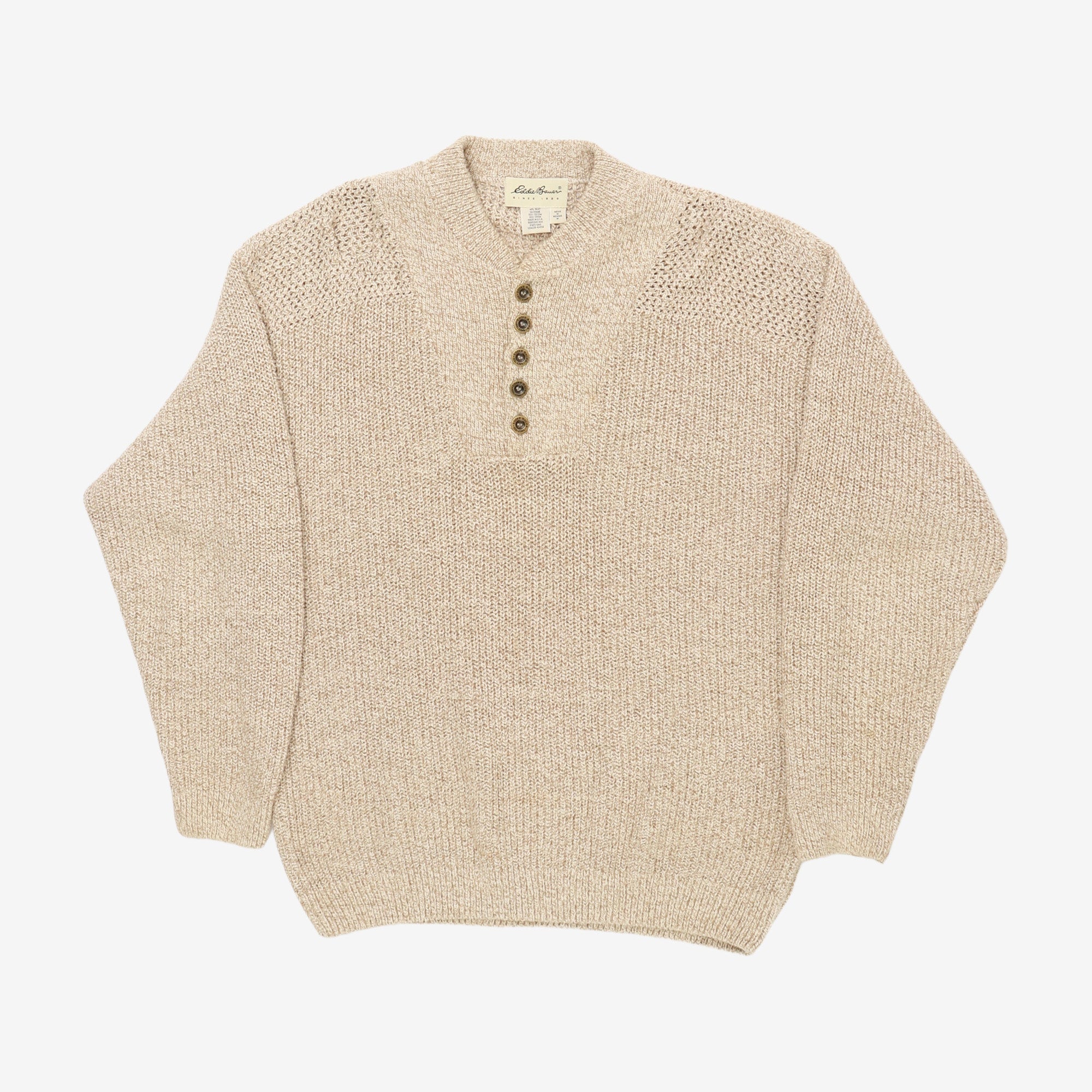
Pilling and moths
- De-pill with a comb or a battery sweater shaver, working in one direction — pilling is friction, not decay, and removing it restores the surface.
- Store folded, not hung: knitwear on a hanger stretches at the shoulders under its own weight.
- Cedar blocks or lavender in the drawer deter moths without chemical mothballs; the real defence is a clean garment, as moths are drawn to body oils, not the wool itself.
- Rotate what you wear. Wool needs 24 hours to recover its loft between wears.
Tailoring keeps its shape when you let it rest
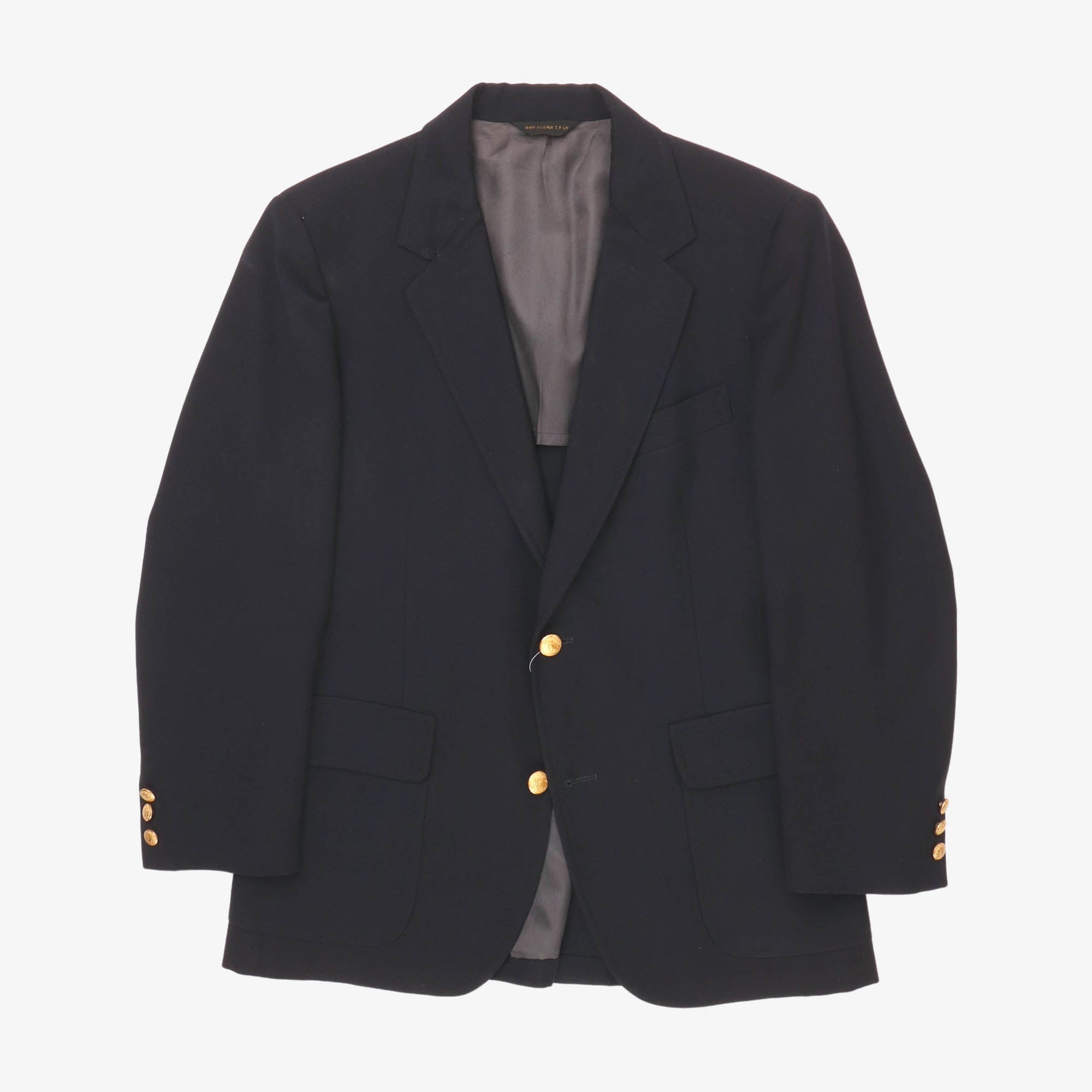
A wool blazer like a vintage Pendleton is built around canvas and shoulder structure that responds to steam, not heat. A handheld steamer lifts wrinkles and refreshes the drape in minutes; a hot iron flattens the nap and shines the cloth. Brush the shoulders down after each wear and give the jacket a day off, and the tailoring will hold its line for another generation.
The blazer in this guide
Shop this story
Every piece featured, priced live. One of each — once it sells, it is gone.


